
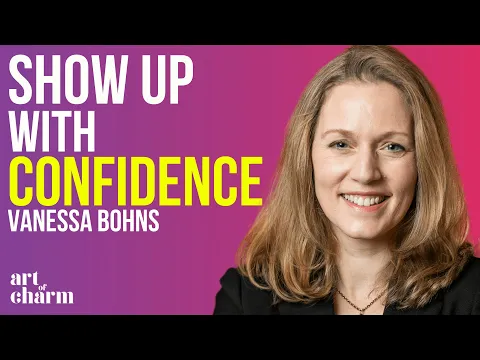
Quick Summary: Dr. Vanessa Bohns, social psychologist and professor at Cornell University, explains how people consistently underestimate their influence over others. She shares research-backed strategies for mastering small talk, leading conversations naturally, and understanding the social power you already have. Her insights reveal why asking is more powerful than you think and how to use your influence ethically.
Key Takeaways
-
You underestimate your influence: Research shows people consistently underestimate how much their requests affect others. You’re more influential than you realize.
-
Small talk is a leadership tool: Mastering casual conversation builds rapport that lets you guide discussions naturally without forcing direction.
-
People feel pressure to comply: When you ask for something face-to-face, the other person feels social pressure to say yes. Use this power responsibly.
-
Set boundaries through speaking up: Influence works both ways. Speaking up about what you need teaches others how to treat you.
-
Asking beats hinting: Direct requests work better than subtle suggestions because people can’t read your mind as well as you think they can.
Related Articles
- How to Make Small Talk: Bohns’ influence research informs the conversation leadership section