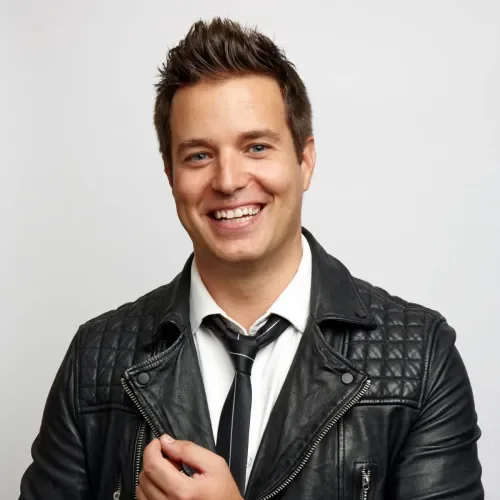
[00:00] Gabor welcome to the show your latest
[00:02] book is titled the myth of normal so
[00:06] what is the myth of normal and why is it
[00:09] so pernicious we use the word normal to
[00:12] imply that something is natural and
[00:14] healthy and unavoidable which in
[00:17] medicine which is you know my training
[00:19] uh it has a certain validity because
[00:22] there's a normal range of blood pressure
[00:25] or body temperature or blood acidity
[00:28] inside which we Thrive outside of which
[00:31] we get sick or die so if I say your
[00:34] blood pressure is normal I'm saying the
[00:37] blood pressure is in a Range that can
[00:38] sustain health so isn't that healthy and
[00:40] natural but in the social sense we also
[00:43] assume that the things that we used to
[00:46] because they're common
[00:47] and because they are what we do and see
[00:52] every day we make the assumption that
[00:54] these are also healthy and normal it's
[00:56] quite normal in a society for example to
[00:59] tell parents not to pick up their kids
[01:01] when they're crying
[01:03] it's the norm in fact it's with many
[01:05] experts advocate
[01:07] but is it healthy is it natural
[01:09] you ask a mother cat if it's healthier
[01:12] natural to ignore the baby's cries or
[01:14] you ask a mother
[01:17] chimpanzee is it healthy and natural to
[01:20] ignore the baby's distress
[01:22] we see that it isn't it's very harmful
[01:25] actually to human children not to be
[01:27] picked up when they're crying it
[01:29] interferes with their personality
[01:31] development their brain development
[01:33] their sense of themselves their sense of
[01:35] safety in the world yet it's normal and
[01:37] there are many practices beginning with
[01:39] childbirth child rearing
[01:42] schooling hobby work or relate to our
[01:45] work how we are expected to be social
[01:48] norms that we are
[01:50] demanded to comply with gender rules
[01:54] that were expected to fulfill that are
[01:57] considered to be very normal
[01:59] but in fact which are very unhealthy for
[02:02] human beings and hence the my title the
[02:04] myth of normal the other meaning is this
[02:07] that we make an assumption that there's
[02:09] the abnormal people for example with
[02:11] depression or mental health problems or
[02:14] ADHD or whatever then there's the rest
[02:16] of us that are normal in fact what I'm
[02:18] saying is that's a myth as well because
[02:20] I think we're all in a Continuum of
[02:22] mental health or mental dysfunction in
[02:25] this society and to try to draw a sharp
[02:29] line between what is normal and what
[02:31] isn't is just a false exercise so
[02:33] there's several senses in which Norm is
[02:36] a myth and it's a it's a pernicious myth
[02:39] so we look at it from the cultural
[02:40] perspective much of what you're talking
[02:43] about discussing is not natural but
[02:45] we've all adopted it and it's now having
[02:48] a negative impact on our health our
[02:50] well-being our emotional state our
[02:53] relationships our family ties
[02:55] and you talk about it being even toxic
[02:59] so in your view how has culture become
[03:02] toxic to The Human Condition
[03:05] let me give you a
[03:06] simple example people that are very nice
[03:09] and self-sacrificing
[03:11] are much
[03:13] um honored or liked or appreciated if
[03:16] you look at people with autoimmune
[03:18] disease they tend to be people who are
[03:20] very nice and self-sacrificing
[03:22] they tend to not to get angry they tend
[03:26] to put their needs if they're even aware
[03:29] of them much behind the needs of others
[03:32] and so on
[03:33] those traits both statistically and
[03:37] physiologically why they lead to
[03:39] autoimmune disease but they're
[03:40] considered to be not only normal but
[03:42] even admirable so that's the first point
[03:44] because the repression of anger
[03:47] actually undermines the immune system we
[03:49] can talk about that
[03:51] so when you considered very nice and
[03:52] everybody really likes you what a nice
[03:54] guy
[03:55] maybe but if you look at neurologists
[03:58] and you ask them to describe their
[04:01] patients with ALS or Lou Gehrig's
[04:04] disease
[04:04] in metatrophic lateral sclerosis they'll
[04:07] tell you these people are always
[04:08] extraordinary nice
[04:10] this has been studied and that's what
[04:12] the neurologists say
[04:14] they don't make the connection between
[04:15] the niceness and the illness I do they
[04:17] don't but they notice it so this
[04:20] niceness that's considered to be so
[04:22] admirable
[04:23] I'm thinking under my health now more
[04:26] broadly speaking how do we create this
[04:28] culture well
[04:30] if you want to study zebras you could
[04:33] say that a zebra
[04:35] is an animal that
[04:37] stands up
[04:39] a few times a day and mostly lies around
[04:41] looking bored
[04:43] and you'd be accurate
[04:44] if you examine the zebra in a cage but
[04:48] what if you really want to study the
[04:49] zebra you wouldn't look at him in the
[04:52] cage you'd look at him out in the
[04:53] savannah where he lives you see a very
[04:55] different creature now human beings
[04:58] evolved over millions of years
[05:01] all human species
[05:03] including our own which has been around
[05:07] for about 150 200 000 years
[05:10] all those millions of years and all
[05:12] those hundreds of thousands of years and
[05:15] almost ten thousand years we lived out
[05:17] in the wild in small band
[05:19] hunter-gatherer groups
[05:21] that's where we evolved
[05:23] that's an environment to which we
[05:26] adapted where children were always with
[05:28] their parents the band traveled together
[05:31] kids had many adults looking after them
[05:33] parents weren't isolated didn't leave
[05:35] their kids to go to work the whole day
[05:38] kids are always around nurturing adults
[05:41] that's how we evolved now well because
[05:44] civilization begins to come along about
[05:47] 12 000 years ago maybe 15 000 years ago
[05:51] but until very recently
[05:53] like if human existence can be summed up
[05:56] in an hour
[05:58] then
[05:59] civilization maybe happened five minutes
[06:01] ago as soon as we began to accumulate
[06:05] property and divide into classes in the
[06:08] rich and the poor the gender dominance
[06:10] shifted to males for the most part we
[06:13] began to get away from the environment
[06:14] in which we naturally evolved and this
[06:17] has been exacerbated
[06:19] tremendously by the terrific
[06:21] achievements of modern industrial
[06:22] capitalism I mean or scientific
[06:24] technological theoretical achievements
[06:27] or I mean the indisputable and they're
[06:30] remarkable
[06:32] but
[06:34] we also began to lose our connection to
[06:36] our essential selves and to our true
[06:38] nature
[06:39] in the process
[06:40] so civilization has conferred all kinds
[06:44] of benefits clearly but it's come at a
[06:46] huge cost and over the last 40 years or
[06:50] so those costs have been exacted
[06:53] increasingly in an unequal fashion
[06:56] so that the rising inequality which
[07:00] itself is a predictor of ill health in a
[07:02] population as has been demonstrated by
[07:04] multiple studies the conflict the races
[07:07] and the economic insecurity that I mean
[07:09] the United States the richest country in
[07:12] the history of the world the average
[07:14] family is two months away from
[07:16] bankruptcy two paychecks away from
[07:18] bankruptcy the insecurity that people
[07:20] most people live with these all stress
[07:23] the body and the mind and they're toxic
[07:26] so for all our achievements we've also
[07:29] created a lot of toxicity and the
[07:31] question is not to go back to run
[07:33] together or nobody wants to do and we
[07:35] can't anyway
[07:37] but how can we regain what we've lost so
[07:40] to borrow that zebra analogy for many of
[07:43] us our job our addiction technology has
[07:46] become that cage in which we're
[07:48] suffering yeah and the expectation that
[07:51] we should fit into social norms that may
[07:54] not actually serve our best interests
[07:56] now you mentioned earlier we talk about
[07:58] this a lot on the show this nice guy
[08:00] syndrome this people pleasing and how
[08:03] culturally it's selected for everyone
[08:05] wants to be around someone who's
[08:06] generous who's kind who's giving
[08:08] but unfortunately when it's at your own
[08:10] expense not only is it at an expense in
[08:13] your relationships but it's also to your
[08:15] health your physiology well that's the
[08:17] whole point niceness and generosity can
[08:19] really emanate from two sources One
[08:22] Source can be just a human compassion
[08:25] and our natural drive to connect with
[08:27] others and to have empathy that that's
[08:29] great but if it's compulsive
[08:31] and it comes from denying our own needs
[08:33] then it can become harmful so what
[08:37] happens is that as I explained in one
[08:39] chapter of the myth of normal human in
[08:42] children have have the need to connect
[08:44] with their adults in their lives that's
[08:46] called attachment attachment is the
[08:47] sense of belonging for the sake of being
[08:50] taken care of well no mammalian infant
[08:52] can survive without attachment that's an
[08:55] inbred genetically determined drive to
[08:59] attach our brain circuits are dedicated
[09:01] to it so that's the need that we have
[09:03] but we have another need which is also
[09:06] dictated by Evolution which is to stay
[09:08] connected to our gut feelings to be
[09:10] authentic to know what we feel and to be
[09:12] able to act on it because out there in
[09:14] all those millions of years and hundreds
[09:16] of thousands of years out there in the
[09:18] savannah or the Thunder Over the forest
[09:20] just how long did they survive if you
[09:23] weren't in touch with our gut feelings
[09:25] yeah very long so we have these two
[09:27] needs attachment and authenticity
[09:28] connection to ourselves
[09:30] what happens in a family
[09:32] where is the case so often in this
[09:34] culture the child gets the message that
[09:37] how they authentically are is not
[09:38] acceptable to their parents because
[09:40] their parents have been told by some
[09:41] stupid parenting expert that a negative
[09:43] two-year-old should be punished so anger
[09:46] is not unacceptable emotion in a child
[09:47] well the child is a decision to make I
[09:51] can be authentic and be angry or I can
[09:55] suppress my anger and be acceptable to
[09:58] my parents now or if your parents are
[10:01] very needy they don't know how to take
[10:02] care of themselves they're addicted
[10:03] perhaps or stressed the child
[10:06] automatically takes on a caregiving role
[10:08] in order to be acceptable to the parents
[10:10] by suppressing their own needs
[10:13] now that we can very nice very compliant
[10:16] always giving always think about other
[10:18] people and ignoring themselves
[10:21] so this tension between attachment and
[10:23] authenticity has huge impacts on health
[10:26] because as I show in this book and other
[10:28] books I've written the suppression of
[10:31] self including healthy anger actually
[10:34] suppresses the immune system and causes
[10:38] the immune system to either become less
[10:40] efficient or in fact even turns against
[10:42] the body and now you've got autoimmune
[10:44] disease
[10:45] and that's because physiologically and
[10:48] scientifically
[10:49] in contrary to Medical Practice you
[10:52] can't separate the Mind from the body so
[10:54] what happens emotionally is an impact
[10:56] physiologically and so these people that
[10:59] are emotionally self-suppressing are
[11:01] going to also mess with their immune
[11:02] systems not their fault that's so they
[11:05] adapted to their childhoods and there's
[11:07] another personality trait you highlight
[11:08] in the book around being external
[11:10] focused and placing all of your value on
[11:13] what you produce what you create your
[11:15] self-worth is tied to this workaholism
[11:18] that many in society are addicted to
[11:20] that also is detrimental to your health
[11:23] for which people are also rewarded so
[11:25] when I was a a young physician and a
[11:29] workaholic everybody thought I was great
[11:31] he's always available he's so generous
[11:34] he's so patient you know and he's always
[11:36] there for us yeah
[11:38] at what cost at the cost of my own
[11:41] mental health and and physical health
[11:43] and at the cost of my own kids who
[11:46] hardly saw me and yet Society rewards
[11:49] these traits there's two kinds of
[11:51] self-esteem there is what's called
[11:54] contingent self-esteem
[11:56] which means that I feel good about
[11:57] myself because I can do this that or the
[12:00] other
[12:01] really well and because people think I'm
[12:04] wonderful
[12:05] that's called contingent self-esteem
[12:08] then there is genuine self-esteem which
[12:11] says I'm not worthwhile because I can do
[12:14] this that or the other but I'm
[12:16] worthwhile whether or not I can do this
[12:17] that or the other my sense of worth is
[12:19] not dependent on other people's
[12:21] evaluation or what I accumulate or or
[12:24] achieve or Attain
[12:26] which doesn't mean that I don't want to
[12:28] achieve or a thing I sure do but I'm not
[12:31] driven by it I'm coming from my own
[12:33] sense of self and and what I value and
[12:36] what matters to me and I'm not going to
[12:38] judge myself based on what the world
[12:40] thinks of me
[12:41] so this Society
[12:44] the whole celebrity culture is all about
[12:47] contingent self-esteem and the whole
[12:50] social media culture is of what
[12:53] contingent self-esteem how many people
[12:55] like me on Facebook how many followers
[12:58] do I have how many people agree with me
[13:00] it's always based on what other people
[13:03] think of you it's very addictive very
[13:06] addictive and very unsatisfying well it
[13:09] traces back to that attachment right our
[13:10] survival depended on being accepted in
[13:12] the group and now we can quantify how
[13:15] accepted in the group we are based on
[13:17] how many people are following us
[13:18] commenting liking us watching this video
[13:20] yeah but on Facebook do people really
[13:24] present themselves as who they are or
[13:26] they present a face it's called Facebook
[13:28] foreign
[13:30] this is a face I'm going to present to
[13:32] the world you know so even if people
[13:34] like you it doesn't satisfy you because
[13:37] I don't know you they like the image
[13:39] that you presented look look how many
[13:42] celebrities there are there out there
[13:44] with millions of acolytes and fans and
[13:49] admirers who are just internally
[13:51] completely miserable
[13:53] it's a common story and then then what
[13:56] they'll do is they'll write a book about
[13:57] their addiction and
[13:59] the Mental Health crisis and so on you
[14:01] know
[14:03] and it's revealed I realized just with
[14:07] social media itself when it first was
[14:10] available it was certainly a lot of fun
[14:12] you were putting all these pieces of
[14:14] your personality out there and and it
[14:17] seemed like everyone was using it with
[14:19] Reckless abandonment
[14:22] but it also now it seems as we've gotten
[14:25] into its teenage years everyone is
[14:28] starting to see the effects of putting
[14:30] yourself out there with Reckless
[14:32] abandonment and at least with either
[14:34] Facebook is dying or people are reeling
[14:36] back but I've caught myself or the
[14:39] minute I want to post something and I
[14:41] have to think about how three different
[14:42] groups would perceive that post and I'm
[14:46] like you know what I'm I'm not doing
[14:48] this and if I have to think about each
[14:50] group and how it will perceive this post
[14:52] then it that I shouldn't be posting it
[14:55] so now I just put up some music that I
[14:57] might be listening to but I don't put
[14:59] too much else into it just because of
[15:02] how it made me feel and now we're seeing
[15:06] the results of how we're being perceived
[15:09] due to this and of course everyone is
[15:12] getting wrapped up in these facades that
[15:14] they are putting out and certainly a
[15:17] younger teenagers who are trying to find
[15:21] an identity are almost it's almost as if
[15:24] it is forcing them into schizophrenic
[15:27] Personalities in order to to deal with
[15:30] all of the different posts that they're
[15:33] putting out or trying to live into these
[15:35] characters that they've built for
[15:36] themselves well so there's a lot in what
[15:38] you say first of all I pay attention to
[15:41] language quite a bit then use the phrase
[15:42] Reckless abandon okay and what does that
[15:46] mean it means that you don't reckon
[15:49] they don't actually consider what you're
[15:50] doing okay secondly abandon who are you
[15:54] abandoning you're abandoning yourself
[15:56] yeah okay one of the things that
[15:59] happened one of the toxicities of modern
[16:01] civilization is kids have lost contact
[16:03] with their parents because kids were
[16:05] meant to be on their parents
[16:06] evolutionary point of view until they
[16:08] grow up in the United States 25 of women
[16:11] have to go back to work within two weeks
[16:13] to giving birth
[16:15] for economic reasons no that's a massive
[16:18] abandonment of children most children
[16:21] from early age on spend most of their
[16:24] time around other kids
[16:26] which means and the Brain will attach to
[16:30] whoever you're around
[16:32] so when you're under the kids all the
[16:33] time your brain creates the peer
[16:36] relationships as your primary attachment
[16:38] which immediately a linear see from your
[16:41] parent and now you give these kids this
[16:43] technology that even when they go home
[16:45] they can still be with their peers
[16:48] on Facebook or whatever programs are
[16:51] available
[16:53] because kids need to attach to connect
[16:55] with somebody and because the adult
[16:57] world no longer provides children with
[16:59] those healthy stable attachments from in
[17:01] many cases kids look to each other
[17:04] and the technology simply enables that
[17:07] to happen in a highly addictive and
[17:09] pernicious fashion not to mention that
[17:12] the technology itself is designed to
[17:16] make people addicted to itself
[17:18] it's called neural marketing
[17:21] they know how to appeal to the most
[17:23] addiction bronze circuits of your brain
[17:25] this is not conspiracy theory this is
[17:27] conspiracy reality it's been documented
[17:29] so there's all kinds of reasons why the
[17:32] technology is amazing as it is and you
[17:35] know it allows conversations like this
[17:37] one and used to be called the
[17:38] information Highway it was designed for
[17:40] mature adults to exchange scientific
[17:44] intellectual information
[17:46] but it's it's what's really become is a
[17:49] instrument of mass hypnosis immature
[17:53] people
[17:54] connecting with each other
[17:57] because they've lost their relationship
[17:58] to mature adults so it's it's pernicious
[18:01] and along with that
[18:03] comes the attention that they get from
[18:05] their peers right if their parents are
[18:07] absent or the can work has been
[18:09] offloaded onto strangers Child Care
[18:11] babysitters then these children are
[18:14] going to Crave that attention from
[18:15] somewhere and social media very quickly
[18:17] provides it
[18:18] absolutely and and if you look at
[18:21] how should I say this uh I I read um
[18:24] about a half a year ago about some
[18:27] social media celebrity
[18:29] who
[18:31] farts into a bottle and then sells it
[18:34] what the heck is that I mean it's it's
[18:37] about the humor of a two-year-old you
[18:40] know that people are actually paying
[18:43] money for this so what do you get famous
[18:45] for you get famous for farting into a
[18:47] bottle for God's sakes you know or um
[18:50] there are kids on Tick Tock who uh as
[18:53] far as I know have billions of followers
[18:55] and made you know more money in a month
[18:58] and then I might in a 10 lifetimes you
[19:01] know I mean and for what for
[19:03] for advertising a certain toy you know
[19:06] right so I'm not saying this resentfully
[19:09] I'm just saying is that the values we
[19:12] want to inculcate in our kids well I
[19:14] think it's a big part of that and and
[19:16] you discuss in the book The Four A's
[19:18] right and that's the acceptance of of
[19:20] reality and what is going on so that we
[19:23] can navigate that in the ways that are
[19:26] are best for us
[19:29] the acceptance doesn't mean tolerance
[19:31] you know it doesn't mean that people
[19:33] want to put up with it
[19:34] feel uh helpless resigned in the face of
[19:38] some unpleasant reality but we have to
[19:40] know the reality and accept that this is
[19:41] reality
[19:42] and so much of the culture is designed
[19:45] to divert our attention from reality
[19:48] this is the war in Ukraine going on
[19:50] right now and America is supporting it
[19:52] with billions of dollars of weapons
[19:55] maybe that is right maybe that is not
[19:57] right
[19:58] there was the Iraq War in which half a
[20:01] million Iraqis were killed and tons of
[20:03] Americans lost their lives and the
[20:05] repercussions are still reverberating
[20:07] throughout the Middle East it's just a
[20:09] mess but yes the average American to put
[20:12] two intelligent sentences together about
[20:15] the history of Ukraine
[20:18] or the history of Afghanistan or the
[20:20] history of Iraq they couldn't but they
[20:22] could sure tell you
[20:24] the defensive strategy of the Kansas
[20:27] City Chiefs in the Super Bowl
[20:29] or the Brilliance of a particular NBA
[20:32] player or
[20:34] or the love affair that some famous
[20:37] Hollywood star just had with another
[20:39] famous Hollywood star
[20:41] so a lot of the culture is actually
[20:43] designed I don't have designed nobody
[20:46] sits there and conspires to do this but
[20:49] it the system itself perpetuates Itself
[20:51] by drawing of our attention away from
[20:53] what's important to what is absolutely
[20:55] not important it makes no difference at
[20:57] all
[20:58] who won the Super Bowl who won I mean
[21:00] it's interesting and it's a good game
[21:02] mahomas is certainly a fantastic athlete
[21:04] to watch that's all great but what
[21:07] difference does it make you know as
[21:09] compared to the fact that the Americans
[21:11] on the one hand don't have decent health
[21:13] care and are tooth paychecks away from
[21:17] bankruptcy which is more important than
[21:19] people's lives but the culture
[21:21] designs or at least produces these
[21:25] institutions whose function is to draw
[21:29] us away from reality in those examples
[21:31] you mentioned it's another point to go
[21:34] along with attachment right like if we
[21:36] look at football and sports well that
[21:38] attachment is an identity that we're
[21:40] tying ourselves to that oh I'm I'm from
[21:43] Kansas City I'm a Chiefs guy Bill I'm in
[21:46] my homes or you mentioned also the the
[21:49] celebrity and what's going on there this
[21:51] is somebody that we put attachment
[21:53] towards because they've been there for
[21:55] us and it may be a one way relationship
[21:59] they they don't know we exist but we
[22:01] have so much affection and love for that
[22:04] person
[22:06] well yeah we have your attention and
[22:08] love also for
[22:10] the talent and and the gifts that they
[22:12] give us
[22:13] but we also create a Persona that we
[22:16] love and so that if you look at the the
[22:20] gap
[22:21] between the reality of an Elvis Presley
[22:23] as a celebrity
[22:25] and as a human being
[22:27] or the gap between the suffering of a
[22:30] Marilyn Monroe and the image is the
[22:32] sexiest woman in the world
[22:34] or the gap between and Aretha Franklin
[22:38] as this Avatar of feminine power Arya
[22:43] species and in her actual life she was
[22:46] abused as a child abused as an adult and
[22:48] so we create these avatars that have
[22:51] nothing to do with the actual real
[22:52] person
[22:53] and we attach ourselves to it and they
[22:56] become our ideals and there's an
[22:58] escapism tied to all of this
[23:00] if culture is toxic if we're overworked
[23:03] if we're detached from our loved ones
[23:06] our family members our children well
[23:08] then it's easiest in that suffering to
[23:10] escape to the Super Bowl or the
[23:13] celebrity or whatever is the latest
[23:15] entertainment piece that's being pushed
[23:17] by the mainstream media in a lot of ways
[23:20] they're just amplifying what were
[23:22] psychologically motivated to engage with
[23:24] the salacious the over-the-top nature
[23:26] well absolutely and look not to put
[23:29] myself above any of this like when I'm
[23:31] tired and stressed instead of actually
[23:34] taking care of myself my tendency may be
[23:36] through on YouTube and watch the latest
[23:38] sports highlights or the Rolling Stones
[23:41] singing Give me shelter for the ten
[23:43] thousand times I've been there oh yeah
[23:45] well and that's okay but it's not okay
[23:47] when it takes my mind over I'm not I'm
[23:49] no longer even conscious that I'm doing
[23:51] it I'm just flipping from one thing to
[23:53] the next then I say where the hell is
[23:55] this Arrow gone by I could have been in
[23:56] bed resting could it take a hot bath
[23:58] could have meditated it could have so
[24:00] the blandishments of the culture to
[24:02] escape from ourselves are ever present
[24:04] and very powerful again as I pointed in
[24:07] this book a lot of that need to escape
[24:09] comes from the emotional pain
[24:12] why do we have to escape because we're
[24:15] in pain and a lot of that pain is uh
[24:17] originated in childhood and childhood
[24:20] trauma and this is a highly traumatizing
[24:23] society that hurts a lot of people and
[24:26] then it builds entire Industries on
[24:29] helping people escape from the pain of
[24:32] the trauma that Society imposed on them
[24:34] it works beautifully well part of that
[24:37] celebrity you touched on earlier is also
[24:39] the
[24:41] dramatization of trauma the bringing
[24:43] forward of trauma trauma now is it's
[24:45] part of the popular Zeitgeist everyone
[24:47] is using it in their marketing I went
[24:49] through trauma I have trauma so from
[24:52] your perspective I think it's best to at
[24:55] least help our audience get a deeper
[24:56] understanding since they're inundated
[24:57] with this version of trauma that's
[24:59] that's publicly out there
[25:01] what is the trauma that you're
[25:03] discussing how do we Define it and how
[25:06] do we actually start to heal from it
[25:07] instead of escaping from it because that
[25:09] is clearly not working yeah so the word
[25:13] trauma is used a lot these days
[25:16] is not used nearly enough it's used in a
[25:20] trivial kind of way as as any kind of an
[25:22] upset or you know I'm on a picnic on
[25:25] Sunday and it rained I was traumatized
[25:27] no you weren't you were just
[25:30] disappointed you know
[25:31] went to a movie last night and it was
[25:34] traumatic no it wasn't it was just
[25:35] upsetting so the word is used too
[25:37] trivially and too promiscuously
[25:40] on the one hand on the other hand where
[25:42] it matters is not used hardly enough at
[25:44] all where is it not used in a medical
[25:47] profession the average physician doesn't
[25:49] get a single lecture on trauma and yet
[25:51] scientifically trauma underlies a lot of
[25:54] chronic illness like rheumatoid
[25:56] arthritis multiple sclerosis often
[25:58] malignancy certainly all mental health
[26:00] conditions
[26:02] there's a British psychologist who
[26:04] pointed out that the statistical link
[26:06] between childhood Misfortune and adult
[26:09] mental health challenges is as well
[26:12] established as the link between smoking
[26:14] and lung cancer but you go to the
[26:16] average physician with depression
[26:17] anxiety ADHD OCD
[26:20] whatever you got nobody's going to ask
[26:22] you about childhood trauma they don't
[26:23] even know how to ask they don't they
[26:25] haven't studied the links let alone if
[26:27] you go there with rheumatoid arthritis
[26:29] or multiple sclerosis despite all the
[26:31] studies linking Charter trauma adult
[26:33] stress to all these different conditions
[26:36] so
[26:37] that's the place where it's not used at
[26:39] all is the medical profession hardly at
[26:41] all except in a narrow sense of what
[26:43] they call PTSD it's not used in the
[26:45] schools so a lot of the kids that are
[26:48] so-called misbehaving acting out
[26:51] what they're actually acting out is
[26:52] their trauma
[26:53] teachers are not trained to recognize
[26:55] that for the most what they're trained
[26:57] to control and punish behaviors
[27:00] which is further traumatizing their
[27:02] child
[27:03] despite all the scientific literature
[27:06] linking childhood dysfunctions
[27:07] misbehaviors to traumatic circumstances
[27:11] but it's also not used as in the courts
[27:15] most of the people
[27:17] in jail have suffered significant trauma
[27:20] the average lawyer judge prosecutor
[27:23] correctional officer never gets a single
[27:26] lecture on trauma in their education
[27:29] so on the one hand
[27:31] yes we can use it to Loosely on the
[27:33] other hand where it matters we don't use
[27:34] it at all so what is trauma trauma is a
[27:37] wound that's what it means thrall
[27:39] literally means a wound psychological
[27:41] wound that isn't healed
[27:43] and those psychological ones that the
[27:45] Greek meaning the Greek word for ruin
[27:47] this trauma that's the meaning of the
[27:49] word
[27:50] and as long as the trauma is unhealed
[27:52] it's going to affect our Behavior just
[27:56] as unhealed physical wounds were affect
[27:57] our Behavior we'd be more defensive more
[28:00] scared more limited more constricted
[28:02] perhaps more defensively aggressive to
[28:05] keep ourselves from being re-wounded
[28:07] again
[28:08] but the point is that these
[28:09] psychological wounds incurred early in
[28:11] childhood
[28:12] unless they're understood seen and
[28:14] healed they can create a lot of problems
[28:18] in relationships like most of the
[28:20] problems in couples
[28:22] in a couple situation is that one set of
[28:26] traumas is competing with another set of
[28:29] traumas
[28:30] and the Pew the two people are not even
[28:32] present there's two pasts fighting with
[28:35] each other and people don't even realize
[28:37] that
[28:38] and so it shows up in how you relate to
[28:41] work
[28:42] for example the workholism that shows up
[28:44] in my case it shows up in your
[28:47] relationship as it showed up in my
[28:48] marriage you should probably treat your
[28:50] kids
[28:51] it shows up often in your politics for
[28:53] that matter and yet
[28:56] we're not really talking about it
[28:58] in a deep way
[29:00] and we trivialize it on your land be
[29:03] actually ignored
[29:05] is it safe to say that everyone has
[29:08] trauma that they need to resolve
[29:10] well it's probably safe to say that
[29:12] although I might be biased but I have
[29:14] yet to meet too many you know no the
[29:16] degrees of trauma there's degrees of
[29:18] wounding right it's a continuum
[29:20] certainly in my work as a physician or
[29:24] providing therapy to people I don't need
[29:27] people who haven't been traumatized
[29:28] because why would they come to me but I
[29:30] also know that if you look at what
[29:33] people are reading
[29:35] so a best-selling book for
[29:37] in the New York Times for about 250
[29:39] weeks now as being vessel vandercooks
[29:42] the body keeps the score
[29:43] which is a fairly
[29:45] bends it's very eloquent but it's also
[29:48] deeply scientific not an easy read
[29:51] necessarily but it's a big best seller
[29:54] my book the middle normal has been a New
[29:56] York Times bestsellers for 18 weeks now
[29:59] well
[30:00] another book called what happened to you
[30:02] by wonderful neuroscientists
[30:04] psychiatrist physician Called Bruce
[30:06] Perry written with Oprah what happened
[30:08] to you it's been another 40 50 weeks on
[30:11] New York Times bestsellers since his
[30:12] publication what does that tell you it
[30:15] means that people are actually
[30:16] interested and they're looking for this
[30:17] information because they need it that
[30:19] means there's a lot of people out there
[30:21] then you have books like Matthew Perry's
[30:24] recent book friends lovers and you know
[30:27] whatever it was called
[30:29] well he was an addict
[30:31] based on trauma Pamela Anderson's recent
[30:34] book she was a traumatized child Prince
[30:37] Harry's recent book spare
[30:40] so much childhood trauma on his
[30:41] childhood so this is a book called uh
[30:44] I'm glad my mother died a big bestseller
[30:48] these are all about trauma
[30:49] the public wants to know it and to
[30:51] understand it
[30:53] in fact in that sense the public is way
[30:55] ahead of the professionals so Johnny
[30:57] touched on one of the A's in in healing
[30:59] that you discussed in the book
[31:01] recognizing that we all may have
[31:03] encountered trauma we have unreconciled
[31:06] unhealed wounds that are now impacting
[31:09] our behaviors they're impacting our
[31:10] relationships they're impacting our
[31:12] propensity for chronic illness how do we
[31:15] start to recognize and move forward the
[31:17] healing process from all of this trauma
[31:19] we may have sustained
[31:21] it usually it's as you say AJ it begins
[31:24] with um some kind of suffering
[31:26] a divorce
[31:28] your partner
[31:30] cheating on you an illness
[31:33] loss of a friendship
[31:34] addiction mental health challenges some
[31:37] kind so usually there's some suffering
[31:39] that makes us want to say well why is
[31:41] this happening
[31:43] so that's the first question you know
[31:45] unfortunately
[31:47] when most people go to Physicians nobody
[31:50] guides them to the essential source of
[31:52] their suffering they'll give they'll be
[31:54] given a diagnosis only but nobody's
[31:56] going to say you know this diagnosis
[31:58] doesn't really explain anything it
[32:00] describes it but it doesn't explain it
[32:02] take an example I often use depression
[32:04] so somebody's mood is low and they have
[32:08] poor sleep and they're socially
[32:09] isolating so the word of the doctor says
[32:11] well your social your mood is uh low and
[32:14] you're isolating socially because you're
[32:16] depressed
[32:17] and you can say well how do you know I'm
[32:19] depressed because uh you're socially
[32:22] isolating and your mood is low
[32:24] but why is my mood low and why am I
[32:26] socializing because you're depressed
[32:30] so these diagnosis they don't explain
[32:34] anything they describe them
[32:36] but that's where most of medicine stops
[32:38] is it some description but not an actual
[32:41] explanation
[32:42] even if there's inflammation in your
[32:44] body such as there is an autoimmune
[32:46] disease like multiple sclerosis or
[32:49] remove the arthritis why is there
[32:50] inflammation and now you have to look at
[32:53] that person's life what inflames what
[32:56] causes inflammation in the body stress
[32:58] and trauma cause inflammation in the
[33:00] body
[33:01] as the certain chemical agents and so on
[33:03] and so forth
[33:04] so the diagnosis don't explain very much
[33:07] they describe them but so people usually
[33:10] begin on this journey by some kind of
[33:11] suffering and then they have to ask
[33:13] themselves well why am I suffering and
[33:15] then I would ask them what do you
[33:18] believe about yourself what do you
[33:20] believe about you about your life what
[33:22] stresses might you be generating for
[33:25] yourself without even meaning to or
[33:26] knowing that you are what extent are you
[33:29] in touch with your needs
[33:31] what happened to your in childhood what
[33:34] do you believe about the world
[33:36] all these questions
[33:38] pertain to
[33:39] your physiology because
[33:42] scientifically you can't separate the
[33:43] Mind from the body and therefore your
[33:45] emotions and your unconscious beliefs
[33:47] have a lot to do with your physiology
[33:50] so how do people do that well they go
[33:53] see a therapist they read
[33:55] any number of books including mine they
[33:58] they go on YouTube and they listen to
[34:02] I mean in my case there's dozens of my
[34:04] talks and and and uh interviews on
[34:07] YouTube other people I'm not the only
[34:09] one no one I'm saying I'm the best one
[34:11] I'm just saying I'm one of I'm one of
[34:13] the people out there who whose work is
[34:14] very available out there you start
[34:16] looking into it you start talking to
[34:18] your family what happened if you're
[34:19] talking to your family you start asking
[34:21] questions and you don't assume that
[34:23] there's something interesting
[34:24] intrinsically wrong with you I just
[34:27] conducted a workshop this weekend called
[34:28] your illness tells the story
[34:30] and so your illness tells a story
[34:34] and what is the story that my my illness
[34:37] tells
[34:39] that's the question it's fascinating
[34:41] because most of Western medicine is
[34:44] around treating the symptoms and not
[34:46] focusing on any of these underlying
[34:48] beliefs that you have that are tied to
[34:51] wounds that lead to behaviors that lead
[34:53] to choosing the addiction choosing
[34:55] unhealthy patterns and choosing things
[34:57] that don't necessarily support your your
[35:00] full mental and emotional and physical
[35:02] health
[35:04] when we look at
[35:06] recognizing so there's this acceptance
[35:08] this happened to me one of the A's is a
[35:12] little counterintuitive and we've talked
[35:14] a little bit on the show about anger but
[35:15] it's counterintuitive for many in our
[35:17] audience because we're taught from as
[35:18] you said earlier an example from a young
[35:20] age that anger is bad the child we're
[35:22] disciplined for feeling anger we repress
[35:24] our anger it doesn't make for civil
[35:26] society if we're angry we look at the
[35:28] protests going on in Paris and they're
[35:30] not looked upon kindly so anger is often
[35:33] something that we try to avoid but you
[35:35] argue it's something that can be healing
[35:37] well yeah so
[35:39] there's only one phrase I'd use them or
[35:42] cool with equivalent when you say you
[35:44] choose addiction and you choose nobody
[35:46] chooses these things I've worked with
[35:48] the
[35:49] most densely addicted population in
[35:51] North America here in Vancouver is down
[35:53] to an East Side that there's no area in
[35:55] North America like the city's downtown
[35:57] east side
[35:58] people are addicted to heroin fentanyl
[36:01] cocaine crystal meth alcohol nicotine
[36:04] whatever you care to name nobody chooses
[36:07] to be an addict
[36:09] they're trying to run away from intense
[36:11] pain rooted in trauma nobody wakes up in
[36:14] the morning says I'm going to choose
[36:16] unhealthy lifestyle
[36:17] I'm going to choose to be an addict
[36:19] so these aren't choices they're choices
[36:22] only on the unconscious level so that's
[36:24] yeah I will make that distinction okay
[36:27] now in terms of anger nobody chooses to
[36:29] repress anger either
[36:31] have you ever met a one-day-old baby
[36:33] that doesn't know how to get angry
[36:35] try feeding it something that doesn't
[36:37] want to eat you're going to find out
[36:39] what anger is about okay
[36:42] anger's not unhealthy our brains are
[36:44] wired for anger we have a circuitry in
[36:45] our brain for anger
[36:47] we share that with other mammals why
[36:51] but look if I were to
[36:53] um
[36:54] to enter your space right now in your
[36:56] physical space
[36:58] I mean we're far away from each other
[37:00] but if I were into your physical space
[37:02] or your emotional space by being
[37:04] insulting to you
[37:06] what would be a response on your part
[37:09] anger
[37:10] yeah would they be healthy or not
[37:13] you'd be saying you're in my space get
[37:16] out
[37:17] or I will not have you talk to me that
[37:19] way stop it
[37:21] is that good or bad well it's certainly
[37:23] good if you're protecting yourself and
[37:25] it and anger is the emotion that allows
[37:28] us to protect ourselves and I guess the
[37:30] the reality is what we allow anger to
[37:35] allow us to do well so here's well
[37:37] here's the point there's healthy anger
[37:39] such as what I've just talked about
[37:40] which is just a boundary protection
[37:43] it's not evil to hurt somebody else it's
[37:47] just all animals do it they'll they'll
[37:50] General they'll generate an anger
[37:52] response even to the space get out
[37:55] you're almost it's healthy it's a
[37:57] boundary defense you can't live without
[37:59] it when you get the message that your
[38:01] anger is not acceptable to your parents
[38:03] and you repress it
[38:05] no you have lost your boundary defense
[38:07] no you're the kid who's gonna get
[38:08] bullied
[38:10] the bully can always tell it's not
[38:13] random who gets bullied
[38:15] in case you get randomly believe that a
[38:17] case with no boundary protection the
[38:19] kids were bullied
[38:21] are the ones who actually feel very weak
[38:23] inside and they have to make themselves
[38:24] more powerful by dominating somebody
[38:27] else
[38:28] something happened to both the bully and
[38:30] the bullied kid to create that dynamic
[38:33] so healthy angry is just the boundary
[38:35] defense
[38:36] then there's unhealthy anger
[38:39] that's when
[38:41] we're triggered into a reaction by some
[38:44] unhealed wound from the past
[38:46] so um
[38:48] I'm walking
[38:50] towards you in the street
[38:52] and I'm thinking about something and I'm
[38:53] looking at you in a certain way and you
[38:55] get offended hey you're disrespecting me
[38:59] well I didn't I wasn't even know that
[39:01] you only I didn't know you were there
[39:03] never mind I don't know you
[39:05] but then you go into a rage or we do
[39:09] this in a relationship like my wife
[39:10] might
[39:11] disappoint me someone I go into a rage
[39:14] That's not healthy anger that's
[39:16] unhealthy anger so anger is basically
[39:20] three resolutions the expression of
[39:23] healthy anger which is in the moment
[39:25] it's a bonding defense once you express
[39:27] it it's done its job it dissipates it's
[39:30] no longer necessary just an emotion
[39:32] that's there to protect you or there's
[39:35] the repression of anger
[39:37] which can by the way what do we call
[39:39] depression what's depression what does
[39:40] it mean to depress something it means to
[39:42] push it down
[39:44] what do we push down in depression or
[39:47] emotions why don't we push down our
[39:49] emotions because their environment
[39:51] couldn't accept them
[39:52] so we pushed on our healthy anger we
[39:54] pushed on everything we become flat so
[39:57] there's the repression of healthy anger
[39:59] which can lead to autoimmune disease and
[40:01] depression and so on and so forth then
[40:04] there's unhealthy anger which is Rage
[40:07] a reaction triggered in the present by
[40:11] something that resembles the past and
[40:14] you thinking you're reacting to the
[40:15] present when you're acting reacting to
[40:17] the past to this unhealed wound and
[40:19] that's toxic to you and to the people
[40:22] receiving it
[40:24] when I had that on anti-anger that was
[40:27] toxic to my children
[40:29] and very hard on my marriage
[40:34] um so there is that unhealthy anger by
[40:37] the way in the aftermath of a rage
[40:40] episode your risk of a heart attack or a
[40:42] stroke doubles for the next two hours
[40:44] because your blood vessels constrict
[40:46] clotting factors go up and your blood
[40:48] pressure goes on
[40:50] so there's healthy anger there's the
[40:53] repression of healthy anger and then
[40:55] there's unhealthy anger and when people
[40:57] talk about anger It's usually the last
[40:59] one that they're talking about so what
[41:01] role does agency play in our healing
[41:04] because oftentimes we encounter people
[41:08] around us who are suffering and part of
[41:10] that suffering includes feeling like the
[41:12] victim and feeling like everything is
[41:15] out to get them and and this trauma is
[41:17] overwhelming
[41:18] the belief that every result to get you
[41:20] is not false but it's a memory it's a
[41:24] Memory implicit memory when you're small
[41:26] and helpless and you're being hurt and
[41:28] there's no way there to help you so you
[41:30] perceived the world is it hostile
[41:32] dangerous place but early trauma
[41:34] actually shapes the way we see the world
[41:36] so if I said you that there was a man
[41:38] who said that the world is a dangerous
[41:41] place
[41:42] everybody's got to get you even your
[41:44] friends that want your house and your
[41:46] wife
[41:47] and these are your friends
[41:49] it's a doggy dog world what would you
[41:51] imagine about the childhood of that
[41:53] person they were unsafe they felt unsafe
[41:57] yeah so out of that lack of safety they
[42:00] created the world view I've just quoted
[42:02] verbatim a recent president of the
[42:05] United States
[42:06] because he said these words in his
[42:08] autobiography
[42:09] so he's not crazy to believe that
[42:13] but he confuses his own emotional
[42:15] experience with the way the world is the
[42:17] way the world is and as long as he
[42:19] believes that that's the way the world
[42:21] is he's gonna behave
[42:23] like that's the way the world is
[42:26] going to make himself bigger and bigger
[42:28] and more and more grandiose so that
[42:29] nobody can get at him he's gonna have to
[42:32] be aggressive
[42:33] attack others before they get him and
[42:37] he's gonna have to be really selfish and
[42:38] acquisitive because otherwise they're
[42:41] going to take it away from him
[42:43] so that world view
[42:44] which she obtained in the context of
[42:47] very traumatizing family home
[42:50] which has been described very
[42:54] intimately and articulately by his knees
[42:56] whose own father drank himself to death
[42:59] he's going to behave according to those
[43:02] beliefs what he doesn't know is that
[43:04] those beliefs
[43:06] actually bro natural outcome of his
[43:08] childhood trauma and rather than healing
[43:11] the trauma
[43:12] and it can't be very pleasant to be
[43:14] inside that consciousness
[43:16] I mean how pleasant it is to be inside a
[43:18] Consciousness that says I'm totally all
[43:20] alone I'm on my own uh I have to be
[43:22] aggressive selfish uh everybody's
[43:25] against me
[43:26] I mean how does it feel like to be
[43:28] inside a head like that
[43:30] you know and but he's compelled to act
[43:33] it out
[43:35] if he was able to say to himself
[43:38] if you actually listen to his
[43:39] therapist's niece his psychologist niece
[43:42] who said look this is what happened and
[43:45] the beliefs that you have came out of
[43:47] came out as a natural result of what
[43:49] happened
[43:50] you could actually be different you
[43:52] could actually liberate yourself from
[43:53] this world view
[43:56] but of course in this Society he's
[43:58] rewarded for having those beliefs
[44:01] is reinforced
[44:04] and I'm not signing him out by the way
[44:07] you see this almost across the political
[44:10] Spectrum yeah those beliefs are common
[44:12] yeah it's very common and and so
[44:15] agency means I don't have to believe the
[44:18] story that I downloaded when I was a kid
[44:20] right
[44:21] you can rewrite it yeah now I can create
[44:24] my own story based on conscious
[44:27] awareness of what's going on
[44:29] I don't have to be the victim of my
[44:31] childhood
[44:32] so drama awareness is not about the
[44:34] victimhood it's actually about power
[44:36] right that's where the Healing Begins
[44:39] and being able to change that story is
[44:41] something that we work really hard with
[44:43] our clients on because as you mentioned
[44:47] how you view the world will dictate the
[44:49] behaviors that you express in it to
[44:51] navigate it everyone they look for the
[44:54] root cause of certain behaviors and why
[44:58] they act and the way they do and get
[45:00] caught up in some of the loops that they
[45:02] do it's like well there's a belief that
[45:05] is stuck that that forces that that
[45:09] pattern and there's usually a clasp that
[45:13] holds that Loop together and it's it's
[45:16] going to stem from a belief and usually
[45:19] it's that I'm not good enough and and
[45:21] there was a whole part in the book in
[45:23] the belief structuring part of how
[45:26] how that belief runs through so many of
[45:29] us
[45:30] and in fact it's one of the most
[45:32] commonly held beliefs that we all have
[45:35] due to our our growing up well certainly
[45:39] it
[45:40] showed up in my life a lot and it drove
[45:43] a lot of my behaviors and emotional
[45:45] patterns
[45:47] um
[45:48] I wouldn't say it's completely
[45:50] dissipated even now because
[45:53] um
[45:54] but that's okay I'm only 79 so I got
[45:56] time to work on it I often say this but
[45:58] I think it's worth saying I said I'm 79
[46:01] on and I'm glad I'm not as young as
[46:03] stupid as I was when I was 78. so
[46:06] there's hope for us all folks
[46:09] um but recently I had an event quite a
[46:12] public event
[46:13] where I was made to look really bad in
[46:15] the eyes of a lot of people and in which
[46:17] I had made some mistakes that
[46:19] contributed to that I thought I was
[46:20] immune but I wasn't I went through a
[46:22] real period of several days at least not
[46:25] months or weeks but some days a real
[46:29] despondence and oh my God what did I do
[46:32] and I really screwed up and you know
[46:34] well that goes back to a sense of not
[46:36] being good enough
[46:38] because I mean let's face it even if I
[46:40] made a mistake and partly it wasn't a
[46:42] mistake partly it was just
[46:43] misrepresentation but but even if I made
[46:46] a mistake what's the headline in the New
[46:48] York Times human being make mistakes
[46:49] that doesn't sell any papers shocking
[46:52] human beings makes a mistake you know so
[46:55] we all do why should that undermine our
[46:57] self-esteem unless there's this wound
[47:00] there that I'm just not worth it unless
[47:02] I
[47:04] am successful you know or liked and so
[47:07] on so that one as you say is the deepest
[47:10] wound of all and what's interesting
[47:12] about it
[47:13] even not belief at some point play the
[47:16] defensive function
[47:19] because when you're suffering as a kid
[47:20] either because your parents don't
[47:21] understand you see you because they're
[47:23] too stressed too distracted uh
[47:26] really Embrace who you are exactly as
[47:30] you are or worse if your parents are
[47:32] hurting you or if they're hurting each
[47:33] other or
[47:35] you know
[47:37] there's two beliefs you can adopt one is
[47:40] that the world is
[47:42] um incapable of meeting my needs
[47:45] I'm totally alone defenseless and
[47:48] helpless
[47:49] or
[47:51] this bad stuff is happening because it's
[47:53] my fault and if I work hard enough hard
[47:55] enough if I was good enough I could fix
[47:58] it
[47:59] of those two beliefs which is more
[48:02] palatable for most children the second
[48:04] it's the one that there's something
[48:06] wrong with so so even that belief that
[48:09] is so debilitating
[48:11] that there's something wrong with me
[48:13] actually serves a protective function at
[48:16] some point
[48:16] so you discuss five R's to unpack this
[48:20] limiting belief it's something that we
[48:21] find in our clients and and ourselves to
[48:24] even struggle with
[48:26] what are the five R's and how do we
[48:28] start to move Beyond this limiting
[48:30] belief that's so common this is actually
[48:33] an exercise that was originally
[48:35] developed by Dr Jeffrey Schwartz who's a
[48:38] psychiatrist at UCLA working with OCD
[48:42] and he developed these four steps
[48:46] to work with OCD symptoms
[48:49] these steps have to be done regularly
[48:52] and with conscious awareness and the
[48:55] conscious awareness reshapes the brain
[48:58] that's the essence of what he's talking
[49:00] about but the good news is that with
[49:03] practice we can actually undo the
[49:06] effects of trauma we can develop new
[49:08] brain circuits
[49:09] to regulate the older ones and that's
[49:12] really what this exercise designed to do
[49:14] so now with his permission then I
[49:18] applied these four because I didn't say
[49:19] you know they worked for us today for a
[49:21] lot of people he found but I thought
[49:23] well why couldn't they work for
[49:24] addictions too
[49:25] and so I at least be at least Behavior
[49:28] addictions
[49:29] which have a lot in common with those
[49:31] cities they're not the same but there's
[49:32] a lot of commonality so in my book in
[49:35] the realm of hunger ghosts and
[49:36] addictions I re-configurated these four
[49:39] steps to apply to addiction and then I
[49:42] broadened that let's work with all
[49:44] self-limiting beliefs so those are the
[49:46] four r's I had the fifth one so I'll
[49:49] give Dr Schwartz credit for the first
[49:51] four
[49:52] I'll take credit for the last two months
[49:54] but they become let's say you believe
[49:57] that you're not worth it but you're not
[49:59] good enough
[50:00] so the first one is
[50:02] you relabel relabel relabel means not
[50:06] that I'm not good enough but I have a
[50:08] thought that I'm not good enough I will
[50:09] believe that I'm not good enough now as
[50:11] soon as you relabel it you're getting
[50:13] distance from it because as long as you
[50:15] say
[50:16] I'm not worthy you're identifying with
[50:19] the beliefs right as soon as you say I
[50:22] have a belief that I'm not worth it no
[50:24] you've taken the steps away from it
[50:26] there's a separation between yourself
[50:28] and the belief there's an eye then
[50:30] there's this belief
[50:32] so that's the first step to relabel and
[50:34] this can be applied to any
[50:36] self-admitting beliefs I have to please
[50:38] others no I don't have to please others
[50:40] I have a belief that I have to please
[50:42] others and so on so that's the first
[50:44] step relabel the second one is
[50:46] reattribute which is to say attribute
[50:49] this belief to exactly where it belongs
[50:51] so this is my brain sending me you know
[50:54] this belief that I'm not worthy it's
[50:59] just my brain sending me an old message
[51:02] a message that I
[51:05] self-developed defensively when I was
[51:07] three years old
[51:09] it's not that I'm
[51:10] unworthy this is my brain sending me
[51:14] a message that maybe served a function
[51:16] way back then but not undermines me so
[51:19] that's the second step the third step is
[51:21] refocus and that means if you got this
[51:25] belief that I'm not worthy just take
[51:26] five minutes and this is an exercise
[51:28] you're meant to do it's not just a
[51:30] thought pattern it's a you know take a
[51:32] piece of paper once a day or once a week
[51:34] or three times a week and sit down and
[51:36] do this exercise consciously with
[51:38] conscious awareness not routinely but
[51:40] conscious and do it in writing so
[51:41] they're not typing on a computer but
[51:43] write it out by hand
[51:45] so the third step is refocus okay I'm
[51:48] not worthy but maybe I'll come back to
[51:51] that belief but for five minutes
[51:53] I'm going to focus on
[51:55] the people I've Loved or the people that
[51:58] have loved me
[51:59] or things that I've done well
[52:01] good thoughts that I've had
[52:04] well I'm going to look at a flower
[52:06] I'm going to look at
[52:08] a beautiful photograph or a picture I
[52:11] want to listen to a beautiful piece of
[52:13] music consciously I'm gonna take my
[52:15] mind's Focus away from this belief and
[52:18] put it on something
[52:20] that's nourishing
[52:22] that's called refocus simple little
[52:24] exercise
[52:26] the step four is called V value which is
[52:30] to actually evaluate this belief for
[52:33] what it's really done in your life so
[52:35] this belief that I'm unworthy what is
[52:37] this actual value what is it done oh it
[52:41] kept me a workaholic
[52:43] it kept me feeling bad about myself
[52:46] it kept me desperate
[52:48] they've kept me isolated it's kept me
[52:50] ashamed that's what it's actually done
[52:53] that's its actual value it's got a
[52:54] negative value that's called the B value
[52:56] or re-evaluate
[52:58] the fifth one which I've added is called
[53:00] recreate which is to say up till now
[53:04] largely I've been driven by these
[53:06] unconscious forces by these beliefs I
[53:09] didn't have agency I didn't deliberately
[53:10] take these on these are natural
[53:12] responses to my childhood programming
[53:14] now I can recreate myself
[53:16] what are my actual aspirations
[53:18] what is my heart's desire
[53:20] what kind of world do I want to live in
[53:23] what do I want to contribute
[53:25] or what do I want to experience so
[53:27] consciously we create an image of who
[53:29] you want to be and and how you want to
[53:31] show up in the world so those are the
[53:32] five R's thank you for sharing with our
[53:35] audience I think many of us listening
[53:37] have had those moments in fact for me
[53:39] just recently and in that moment it can
[53:42] be all-consuming and it can lead to
[53:45] behaviors that pull you away from your
[53:47] goals pull you into inaction or to even
[53:49] more negative behaviors that aren't
[53:51] helpful to your health that Recreation
[53:53] step the visualization piece is often I
[53:57] feel the most difficult if we've been in
[53:59] that state and that's been a limiting
[54:01] belief for so long in our life it's come
[54:03] up over and over again
[54:06] how for those in our audience who would
[54:08] struggle to think about what they want
[54:10] to be or what that vision is start to
[54:12] work on the recreation step more
[54:14] impactfully look first of all
[54:17] if you're training somebody as a
[54:19] weightlifter
[54:21] how would you get them to bench press
[54:23] 300 pounds lift the bar first you left
[54:26] the bar first down
[54:28] so just just start simply you know I'm
[54:31] gonna be a loving person
[54:34] period
[54:36] or I want to be a person who experiences
[54:38] love
[54:40] everybody's got some aspiration it's not
[54:42] that difficult to identify something
[54:44] this particular exercise if somebody
[54:46] takes it on it's like lifting weights
[54:48] you got to start somewhere and you got
[54:50] to keep doing it you're not gonna get to
[54:52] 300 pounds if you don't train for it
[54:55] this is training and and the whole point
[54:57] is our childhood kind of hypnotize us
[55:00] into a certain set of beliefs now we
[55:02] have to retrain ourselves this exercise
[55:05] certainly is not the BL and the end-all
[55:07] it's just one way to approach these
[55:09] alternating beliefs but it's in a
[55:11] training exercise if you want to take it
[55:13] on take it on if you go to the gym three
[55:16] times a week do this exercise three
[55:18] times a week it takes 15 minutes
[55:20] you know or do it six times a week
[55:23] whatever the more you do it
[55:25] the more you're gonna develop new brain
[55:27] circuits that can actually
[55:29] hold that message well thank you so much
[55:32] for taking the time to join us and share
[55:34] your work with us we love asking every
[55:36] guest one last question what is your X
[55:39] Factor what do you think makes you
[55:40] unique and extraordinary
[55:42] my absolute commitment to figuring out
[55:45] the truth of things
[55:46] and not just figuring it out but also to
[55:48] speaking it once I think I found it and
[55:50] that's true in my personal life
[55:53] that's pretty much kept our marriage of
[55:56] 52 years
[55:57] vibrant as they were both really
[55:59] committed to the truth
[56:00] we didn't just buy as much as we acted
[56:02] out our stories sometimes in hurtful
[56:04] ways we're actually committed to
[56:06] figuring out the truth
[56:08] and that's true for me in the realm of
[56:10] the human mind human health
[56:13] politics and just really committed to
[56:16] truth because
[56:18] I agree with
[56:20] a very great person who once said that
[56:22] you will know the truth and the truth
[56:23] will liberate you
[56:25] so that in this freedom and Truth
[56:28] and where can our audience find out more
[56:29] about this book and your other writings
[56:32] this book is available everywhere the
[56:33] middle normal trauma illness and healing
[56:36] and toxic culture is published in or
[56:39] will be in 30 languages now
[56:42] month you know over 30 countries
[56:45] bookstores certainly on online
[56:49] um I love it when people patronize their
[56:51] local bookstores by the way but um those
[56:54] that I it's none of it you can certainly
[56:56] get it online
[56:57] I have a website Dr gabromate
[57:01] gabormat.com at my website you can join
[57:04] my email list if you want to
[57:08] um so it's not difficult to find me out
[57:10] there all right I don't thank you so
[57:11] much for stopping by and sharing this
[57:13] book with us thank you very much but
[57:15] thank you it's such a pleasure thank you
[57:17] guys it's been a real pleasure take care
[57:20] [Music]